 -64%
-64%Age of Empires IV: Digital Deluxe Edition
21.54 $
 PCKeys for PC
 PlayStationKeys for PlayStation
 XboxKeys for Xbox
 NintendoKeys for NintendoPCKeys for PCPlayStationKeys for PlayStationXboxKeys for XboxNintendoKeys for Nintendo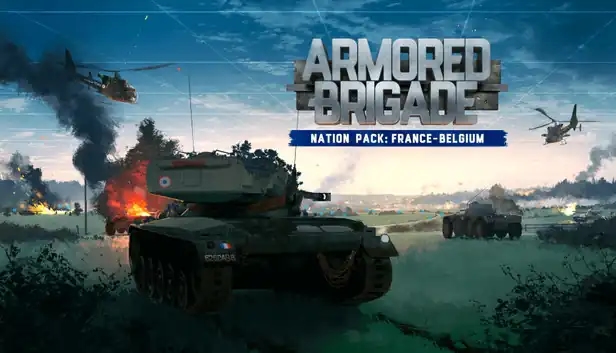
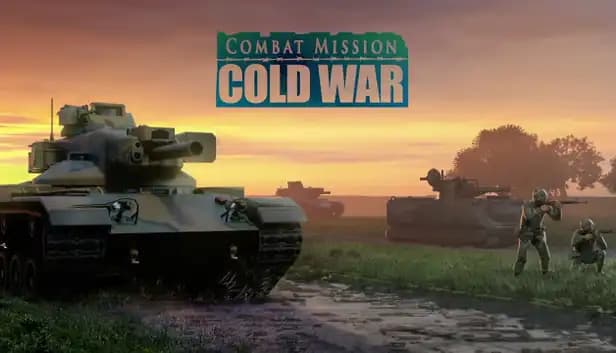
FRANCE Emerging from the devastation of World War I, the French military initially favored firepower over mobility—until defeat by Germany in 1940 prompted a reevaluation. In response, France pivoted toward rapid maneuver warfare, beginning in the 1950s with experimental structures like the Javelot brigade and the 7e Division Mécanique Rapide, culminating in the standardized Division Type 1967.
Read moreEmerging from the devastation of World War I, the French military initially favored firepower over mobility—until defeat by Germany in 1940 prompted a reevaluation. In response, France pivoted toward rapid maneuver warfare, beginning in the 1950s with experimental structures like the Javelot brigade and the 7e Division Mécanique Rapide, culminating in the standardized Division Type 1967. However, limited by economic strain in the 1970s and the high cost of developing its nuclear deterrent, France could only slowly equip its new mechanized divisions according to this doctrine. Though formally withdrawn from NATO’s integrated military command since 1966, France remained a de facto ally, cementing its commitment through regular joint exercises in West Germany and a standing readiness to support NATO if the Warsaw Pact advanced.
A defining trait of French military formations in the 1970s was their emphasis on armored strength—tank-heavy units designed not for holding territory, but for aggressive, mobile operations. Resembling the US Armored Cavalry Regiments or France’s own pre-war Division Légère Mécanique, these forces operated as modern-day dragons portés, scouting ahead, delaying enemy advances, and setting the stage for powerful armored counterattacks. By the 1980s, infantry presence increased significantly, with motorized divisions attached to corps, VAB-equipped infantry regiments added to existing divisions, and expanded infantry companies within mechanized units. Most of France’s forces became mechanized, relying on lightweight, wheeled armored vehicles—like those equipped with 90mm or 105mm guns—that offered strong firepower while remaining air-transportable and capable of operating across rough terrain, including in sub-Saharan Africa.
Despite its small size and significant colonial obligations, Belgium played an outsized role in NATO’s defense strategy, especially after becoming the Alliance's host nation in 1967. Belgium committed half of its army to NATO’s frontline by deploying the Belgian I Corps to the Federal Republic of Germany. The rest of its forces—designated Forces of Interior—were tasked with defending national territory, combining regular units with wartime reinforcements from the gendarmerie and reserves. This structure was further strengthened by an elite regiment of para-commandos, featuring two airborne infantry battalions and one commando battalion. Nevertheless, much of Belgium’s military hardware lagged behind, with the Leopard 1(BE) main battle tank dating from the 1960s and its M75 and AMX-13 Mod 56 APCs, along with Alouette II helicopters, appearing increasingly outdated through the Cold War. A modest modernization effort in the 1980s brought upgrades to APCs, artillery, and anti-tank capabilities, while the Air Force replaced most of its fighter jets with newer models. Despite these limitations, the Belgian Army remains a compelling and tactically nuanced faction.
FEATURES
two new factions: France and Belgium
new map: Ardennes, focused on Bastogne
over 200 total units
Not specified
I enjoyed adding France and Belgium to the war. France has some very interesting AMX tanks in the 70s that are quite unique to try. I tend to under estimate their value against T64s, and tend to even laugh at their
1) Buy this DLC 2) Download AB 1943 on the Workshop 3) Setup a winter scenario/campaign on the Ardennes map with US Army vs Wehrmacht or Waffen SS during December 1944/ January 1945 You now have a modern Close Combat 4,